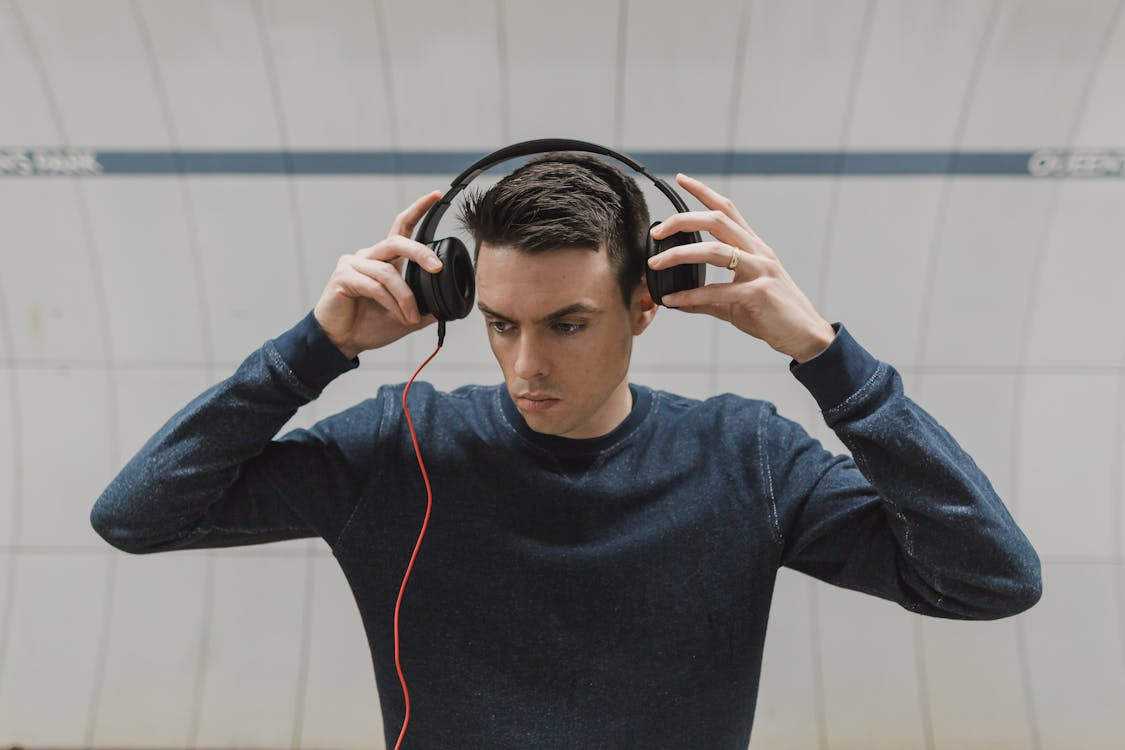
Why Do We Procrastinate Even When We Know Better?

The short-term relief of avoiding the task feels rewarding, even when the long-term cost is obvious. That is why smart, capable people procrastinate every day.

Most people think procrastination is a time-management problem. Usually, it is not. If you know a task matters and still avoid it, the real issue is often emotional discomfort. Procrastination is less about laziness and more about what the brain is trying to escape in the moment.

We delay tasks that feel stressful, boring, confusing, overwhelming, or tied to self-worth. 

Procrastination Is Often Emotional Avoidance

When a task creates tension, your brain looks for a faster way to feel better. Checking your phone, cleaning the kitchen, scrolling online, or doing easier work can provide immediate relief.

That relief teaches the brain a dangerous lesson: avoidance works. Even if it only works for ten minutes, the brain remembers it. Over time, procrastination becomes a habit loop in which discomfort triggers an escape.

This is why people can procrastinate on things they genuinely want, such as writing a book, applying for a better job, or starting a fitness plan.

Explore Why Do I Overthink Everything? for mental patterns behind avoidance.

Why Knowing Better Is Not Enough

Logic and action do not always happen at the same speed. You may understand exactly what needs to be done, yet still feel stuck because knowledge does not automatically remove resistance.

Many tasks carry hidden mental weight. A simple email may feel loaded because you fear rejection. Starting a project may feel hard because you do not know where to begin. Cleaning a room may feel exhausting because it represents many smaller decisions.

The brain responds more strongly to felt difficulty than to rational importance. That is why insight alone does not solve procrastination.

Read What Is The Best Way To Make Decisions When You’re Unsure? for clearer next steps.

Common Triggers That Fuel Delay

Perfectionism is one of the biggest triggers. If you believe the result must be excellent, starting becomes risky. It feels safer to wait than to produce something imperfect.

Overwhelm is another major factor. When a task looks too large, the brain treats it like a threat. Instead of beginning, you freeze or choose easier activities.

Low energy also matters. Sleep debt, stress, decision fatigue, and burnout make effort feel heavier than normal. Sometimes, procrastination is not a motivation failure; it is a capacity problem.

See Why Do I Feel Tired All The Time Even After Sleeping? for fatigue-related delays.

How To Interrupt The Cycle

Shrink the task until it feels almost too easy to refuse. Instead of “write the report,” try “open the document and write one sentence.” Small steps reduce resistance and create momentum.

Use clarity instead of vague intentions. “Work on taxes later” invites delay. “At 3:00 PM, sort receipts for ten minutes” gives the brain a clear next step.

Lower the emotional stakes. Remind yourself that starting badly is allowed. A rough draft, imperfect workout, or messy first attempt is still progress.

Remove friction from the environment. Put the phone in another room, close extra tabs, lay out supplies in advance, or begin in a cleaner workspace. Make the right action easier than the distracting one.

Build Systems Instead Of Waiting For Motivation

Motivation is unreliable because it changes with mood, energy, and circumstances. Systems create consistency when motivation disappears.

Set recurring work times. Use timers. Track streaks. Pair tasks with existing habits. For example, review your to-do list after morning coffee or study for fifteen minutes after dinner.

Celebrate completion, not intensity. Many people wait for a dramatic, productive day, but real progress usually comes from ordinary, repeated effort.

The goal is not to become a machine. It is to make action more automatic and less dependent on how you feel in the moment.

Learn How Do You Actually Stick To Good Habits? for stronger daily systems.

Beating Procrastination Starts With Self-Awareness

The next time you procrastinate, ask one question: What am I avoiding feeling right now? The answer might be boredom, uncertainty, fear, pressure, or fatigue.

Once you identify the real barrier, the solution becomes clearer. You may need a smaller first step, more rest, better structure, or less perfectionism.

Procrastination is common because the human brain prefers immediate comfort over delayed rewards. The good news is that this pattern can be changed with awareness, compassion, and practical systems that make it easier to start.

Why Do We Love True Crime So Much?

True crime has become one of the most popular forms of modern storytelling. Podcasts, documentaries, books, and streaming series draw huge audiences who willingly spend hours learning about crimes they would never want to experience. That raises an obvious question: why do we love true crime stories so much?

The answer is not simply that people enjoy violence. For most viewers and listeners, the appeal comes from curiosity, psychology, storytelling, and the desire to understand danger from a safe distance. True crime often engages the mind more than it glorifies the crime itself.

We Want to Understand Threats

Humans are naturally attentive to danger. The brain is built to notice risks because survival has always depended on it.

True crime can function like a simulation. People learn how deception works, how investigations unfold, what warning signs were missed, and how ordinary situations can turn harmful.

Even when consumed for entertainment, part of the interest may stem from wanting to feel more prepared for the real world.

Explore Why Do Some People Thrive Under Pressure? for another look at threat response.

Mystery Is Deeply Engaging

Many true crime stories are structured like puzzles. There are clues, motives, contradictions, suspects, and unanswered questions.

The human mind enjoys solving patterns. We want to know what happened, why it happened, and whether justice will be served.

This investigative structure can make true crime as compelling as mystery novels, even though the events are real.

Read Why Do We Get Déjà Vu? for insights on mental experiences.

Emotion and Empathy Matter

People are not always focused on the criminal. Many are drawn to the human stories surrounding the case, including victims, families, investigators, and communities, as well as the search for answers.

A well-told true crime story can impact mental health, evoking emotions like grief, outrage, compassion, and hope. It can highlight resilience as much as it can highlight tragedy.

For some audiences, the emotional core matters more than the crime details.

Safe Fear Can Be Appealing

People often seek controlled versions of intense emotion. Horror films, roller coasters, haunted houses, and suspense stories all offer fear within safe boundaries.

True crime can create a similar effect. You experience tension, uncertainty, and relief while remaining physically safe.

This does not mean people want harm. It means the nervous system can find structured intensity engaging.

It Helps Make Sense of the Unthinkable

Crime can feel chaotic and senseless. Stories impose order on chaos by creating timelines, motives, explanations, and outcomes.

That structure can be psychologically satisfying. It suggests that terrible events can be understood, investigated, and responded to rather than remaining random and incomprehensible.

Sometimes people are not seeking darkness; they are seeking meaning.

See Why Do Humans Need Meaning In Life? for insight into meaning-making.

When Interest Becomes Too Much

Not everyone benefits from consuming true crime. Some people become anxious, fearful, desensitized, or emotionally drained after too much exposure.

It is healthy to notice how content affects you. If it increases paranoia or stress, taking breaks or choosing different material may help.

Entertainment that harms your mental state is worth re-evaluating.

The Appeal Is More Complex Than It Looks

Loving true crime does not automatically mean someone is morbid or cold. Often it reflects curiosity, empathy, a love of narrative, or a desire to understand how people and systems work under pressure.

Like many popular genres, it meets several human needs at once.

Behind the headlines and suspense, true crime often attracts people for the same reason all powerful stories do: it helps them make sense of the world and their place in it.

Learn What Is Emotional Intelligence And Why Does It Matter? for context on empathy.

Why Do We Get Songs Stuck In Our Heads?

Songs get stuck in our heads because the brain is built to notice patterns, repeat unfinished information, and rehearse sounds internally. Music is especially good at taking advantage of those systems.

Almost everyone has experienced it. A short chorus, jingle, or random lyric starts playing in your mind and refuses to leave. You may not even like the song, yet it loops for hours. These mental repeats are commonly called earworms. Although earworms can be annoying, they are usually normal. 

Music Is Designed to Be Memorable

Many songs are built around repetition. Catchy hooks, predictable rhythms, and repeated choruses make music easier to learn and enjoy.

The same features that make a song popular can also make it mentally sticky. If a melody is simple enough to remember but interesting enough to stand out, the brain may replay it automatically.

Advertisers know this well, which is why jingles often become classic earworms.

Explore Why Do We Love True Crime So Much? for attention-grabbing patterns.

The Brain Likes Incomplete Loops

Sometimes a song gets stuck because the brain treats it like unfinished business. Hearing only part of a track or remembering one line without resolution can trigger repeated mental playback.

This is similar to how unfinished tasks can stay active in the mind. The brain keeps returning to what feels unresolved.

That is why hearing the full song or finishing the melody in your head can occasionally reduce the loop.

Read Why Do We Procrastinate Even When We Know Better? for unfinished loops.

Stress and Mental Load Can Increase Earworms

Earworms often appear when the mind has idle time, such as during showers, while commuting, while doing chores, or when trying to fall asleep.

They can also show up more during stress. When attention is overloaded, the brain may default to familiar patterns and repeated thoughts, including music.

In that sense, an earworm is not always about the song itself. It can also reflect what mental state you are in.

See Why Do I Overthink Everything? for repetitive thought patterns.

Why Certain Songs Get Stuck More Easily

Not every song becomes an earworm. Tunes with strong rhythm, unusual intervals, repetitive lyrics, or emotionally charged associations are more likely to loop.

Personal relevance matters too. A song tied to a memory, relationship, event, or current mood can return more easily.

Even songs you dislike can get stuck if they are catchy enough or repeatedly exposed.

How to Get Rid of an Earworm

Listen to the full song once. Sometimes giving the brain closure helps stop the repetition.

Shift attention to another engaging task. Reading, conversation, puzzles, exercise, or focused work can interrupt the loop better than simply trying not to think about it.

Replace it with another tune carefully. This can work, but it can also create a new earworm.

Some people find chewing gum helpful, possibly because it changes the systems involved in silent rehearsal.

Earworms Are Usually Harmless

For most people, songs stuck in the head are brief and harmless, even if mildly irritating.

If repetitive thoughts of any kind become distressing, constant, or linked to anxiety or obsessive patterns, broader mental health support may be useful. Context matters.

But ordinary earworms are generally just a side effect of a brain that is excellent at pattern learning.

Learn Why Do We Talk To Ourselves? for inner mental patterns.

Your Mind Is Built for Repetition

Music moves through memory, emotion, rhythm, and language all at once. Few things engage the brain so efficiently.

That is why a ten-second chorus can outlast your grocery list, your passwords, and half your weekend plans.

When a song gets stuck in your head, it may be annoying, but it is also evidence that your brain is doing exactly what it evolved to do: notice patterns and replay what matters.

Why Do We Get Déjà Vu?

While researchers still debate the exact cause, several strong theories help explain why the feeling happens.

Déjà vu is the strange feeling that a new moment has somehow happened before. You walk into a room, hear a conversation, or visit a place for the first time, yet it feels oddly familiar. The experience can be brief, intense, and difficult to explain.

For most people, déjà vu is normal and harmless. Why déjà vu happens is often linked to how the brain processes memory and familiarity, not to anything mystical. 

Familiarity Without a Clear Memory

One leading explanation involves the brain’s recognition systems. Normally, when something feels familiar, you can connect that feeling to a real memory. You know where you met the person or when you visited the place.

With déjà vu, the familiarity signal may activate without the matching memory. The brain says, “I know this,” but cannot identify why.

That mismatch creates the eerie sensation of remembering something that never actually happened in the way it feels.

Explore Why Do We Forget Names So Quickly? for insight into recall gaps.

Similarity Can Trigger the Feeling

Sometimes a current situation resembles an older experience in subtle ways. The layout of a room, the tone of someone’s voice, a smell, or the rhythm of a conversation may echo something from the past.

You may not consciously notice the resemblance, but the brain does. It detects patterns quickly and automatically.

The result can be a flash of familiarity that feels deeper and stranger than ordinary recognition because the source remains hidden.

Read Why Do We Romanticize The Past? for another look at memory.

Small Processing Delays May Contribute

Another theory suggests that déjà vu can come from tiny timing glitches in perception. If the brain processes incoming information in slightly staggered ways, one part may register the moment just ahead of another.

That second pass can feel like repetition, as if the moment is being experienced twice.

Even a brief mismatch in timing could create the impression that the present has already occurred.

Stress, Fatigue, and Attention

Many people report more déjà vu during periods of stress, tiredness, or mental overload. Fatigue can affect attention and the smoothness with which the brain processes information.

When attention is divided, perception and memory systems may not operate as cleanly as usual. That may increase the chance of odd familiarity signals.

This does not mean something is wrong. It often means the brain is under strain, just as concentration can suffer when you are exhausted.

See Why Do I Feel Tired All The Time Even After Sleeping? for context on fatigue.

Who Gets It Most Often?

Déjà vu is especially common in younger adults and tends to happen less often with age. People who travel more, encounter new environments, or experience varied routines sometimes report it more frequently.

That may be because novelty gives the brain more opportunities to compare present experiences with past patterns.

It is also more noticeable in people who pay close attention to their inner experiences and mental states.

When Is It Worth Mentioning to a Doctor?

Occasional déjà vu is usually nothing to worry about. However, if it becomes frequent, intense, distressing, or happens alongside confusion, memory loss, blackouts, unusual sensations, or other neurological symptoms, medical advice is appropriate.

In some cases, recurring déjà vu can be associated with specific neurological conditions. Context matters.

For most people, though, a rare moment of déjà vu is simply one of the brain’s strange but normal quirks.

Learn Why Do We Talk To Ourselves? for another look at mental processes.

The Brain Is Always Predicting

Part of what makes déjà vu fascinating is that it reveals how the mind works behind the scenes. The brain is constantly comparing, predicting, sorting, and matching patterns faster than conscious thought.

Most of the time, those systems run invisibly. Déjà vu may be one of the moments when you briefly notice the machinery.

That unsettling flash of familiarity is often less a mystery from outside you than a glimpse into the remarkable complexity within your own mind.

Why Do We Forget Names So Quickly?

Names are one of the hardest types of information for the brain to store quickly. Unlike a job title, hobby, or interesting story, a name often has little built-in meaning when you first hear it.

If you have ever wondered, “Why do I forget names so quickly?”, the answer usually comes down to how the brain stores information. That does not mean you have a bad memory. It usually means your attention was divided or the brain did not attach the name to enough context to retrieve it later.

Memory works better when information is meaningful, emotional, or repeated.

Names Are Harder Than Other Details

When someone says, “I’m Jordan,” your brain receives a sound with no obvious connection to the person yet. Compare that with hearing, “I’m a firefighter,” or “I just moved here from Seattle.” Those details create images and associations instantly.

Names are often arbitrary labels. Unless you already know another Jordan or the name reminds you of something familiar, it can pass through the mind without sticking.

That is why people sometimes remember everything about a conversation except the one detail they most wanted to keep.

Discover Why Do We Get Songs Stuck In Our Heads? for insight into memory patterns.

Attention Is Usually the Real Issue

Many forgotten names are lost before they were ever stored. During introductions, people are often thinking about what to say next, how they appear, whether they seem confident, or what else is happening in the room.

If attention is split, the brain never gives the name a strong first imprint. Later, it feels like the memory vanished, when in reality it was never fully encoded.

This is especially common at networking events, parties, meetings, or any setting with multiple distractions.

Explore Why Do We Overthink Everything? for deeper insights on attention.

Stress and Social Pressure Make It Worse

Social situations can create low-level stress, even for outgoing people. When the brain is managing nerves, reading social cues, and planning responses, memory performance can drop.

Pressure also increases the problem. The more you tell yourself, “Do not forget their name,” the more self-conscious you may become. That mental load can interfere with listening in the first place.

Ironically, trying too hard can make remembering harder.

Learn Why Do People Care So Much About What Others Think? for more into social pressure.

Practical Tricks to Remember Names

Repeat the name naturally in conversation. “Nice to meet you, Jordan.” Saying it out loud gives the brain another exposure and strengthens the memory.

Use association. Link the name to something visual or familiar. Jordan might remind you of basketball, a friend from school, or a travel memory. The connection does not need to be perfect; it just needs to be memorable.

Notice one distinctive feature and pair it with the name privately in your mind. Curly hair Jordan, glasses Jordan, blue jacket Jordan. This creates a retrieval hook.

If appropriate, ask a follow-up question after hearing the name. Engaging with the person helps shift your focus outward rather than inward.

What to Do If You Forget Anyway

Stay calm. Forgetting a name is normal and usually says nothing about your intelligence or character.

If needed, be honest and polite. A simple, “I’m sorry, remind me of your name again,” works better than avoiding the person or pretending to remember.

When they repeat it, use one of the memory strategies immediately. The second chance often sticks better because you now have context and familiarity.

See What Is Emotional Intelligence And Why Does It Matter? for social awareness and recovery.

Memory Improves With Better Habits

Good sleep, lower stress, and active attention all support better recall. Memory is not just a talent; it is affected by mental state and environment.

You do not need a perfect memory to be socially effective. People remember warmth, interest, and kindness more than flawless recall.

So if names slip away sometimes, you are in good company. The solution is usually not a stronger brain, but better attention and a few simple techniques that help the brain do what it already can.

Why Do We Feel More Motivated At Night?

Nighttime motivation is real for many people, but it usually does not mean you are lazy during the day. It often reflects differences in pressure, environment, biology, and psychology. 

Many people struggle to focus all day, only to feel suddenly inspired at 10:00 PM. The room is quiet, ideas flow, and tasks that felt impossible earlier now seem manageable. If you have ever wondered why we feel more motivated at night, the answer often comes down to pressure, environment, biology, and psychology.

The conditions of night can remove barriers that block motivation earlier.

Fewer Demands Mean More Mental Space

Daytime often comes packed with obligations. Messages, work, errands, family needs, appointments, and interruptions compete for attention.

Even when you are not actively doing those things, part of your mind may remain on alert. That mental load can make deep focus harder.

At night, many demands pause. Fewer incoming requests can create a sense of spaciousness, allowing motivation to surface.

Explore What Is The Difference Between Being Busy And Being Productive? for insight into mental load.

Pressure Drops After the Day Is “Over”

Some people feel more productive once they are no longer supposed to be productive. During the day, tasks can feel tied to expectations, judgment, deadlines, or guilt.

At night, the emotional pressure may decrease. The day’s performance scorecard feels closed, which can make action feel freer and less threatening.

Paradoxically, people may work best when the pressure to perform is reduced.

Read Why Do Some People Thrive Under Pressure? for context on pressure and performance.

Night Can Feel More Creative

Darkness and quiet often change mood. Many people experience nighttime as private, reflective, and less distracting.

That atmosphere can support writing, planning, art, studying, or problem-solving. Without the visual busyness of daytime, some minds settle more easily into creative flow.

The environment does not create talent, but it can create conditions that make talent easier to access.

Your Natural Rhythm May Be Different

Not everyone has the same chronotype, meaning preferred timing for alertness and sleep. Some people naturally feel sharper earlier, while others lean later.

If you are more evening-oriented, motivation may rise later in the day because your body and brain are more alert then.

Modern schedules often reward morning types, so night-focused people may wrongly assume something is wrong with them.

Beware of Fantasy Productivity

Night motivation can sometimes be more about intention than action. It is easy to feel ambitious late at night and imagine a better future self.

That feeling can be useful if it leads to real steps, but it is less useful if it becomes endless planning without follow-through.

Energy that appears only at midnight may also come at the cost of sleep, which can hurt motivation the next day.

See Why Do We Procrastinate Even When We Know Better? for insight into habits.

How to Use Night Motivation Wisely

Notice what night gives you. Is it quiet, privacy, lower pressure, fewer notifications, or better timing? Then ask how to recreate some of those conditions earlier.

You might block distractions during the day, schedule a pressure-free creative hour, or protect a regular evening work session that fits your rhythm.

Use nighttime motivation for meaningful progress, not only grand plans. Even twenty focused minutes can matter.

Protect sleep whenever possible. Productivity that repeatedly steals rest often becomes self-defeating.

Learn Why Do I Feel Tired All The Time Even After Sleeping? for the related sleep context.

Motivation Is Context, Not Character

Feeling motivated at night does not automatically mean you lack discipline during the day. It often means your environment and emotional state matter more than you realized.

Many people are not broken; they are context-dependent. Change the conditions, and motivation changes too.

The goal is not to force yourself into someone else’s ideal schedule. It is about understanding when you work best and building a life that uses that knowledge wisely.

Why Do We Crave Junk Food Late At Night?

What feels like weakness is often a predictable pattern with understandable causes.

Late-night junk food cravings can feel irrational. You may eat balanced meals all day, then suddenly want chips, cookies, pizza, or ice cream right before bed. For many people, this is not a lack of willpower. It is the result of biology, emotion, habit, and environment all meeting at the same time.

The reason why we crave junk food at night is that the body is tired, self-control is lower, routines are established, and highly rewarding foods are easy to reach. 

Your Brain Wants Fast Reward at Night

By evening, mental energy is often reduced. After a full day of decisions, work, errands, and stress, the brain naturally seeks relief and comfort.

Highly processed foods are designed to be rewarding. They combine sugar, fat, salt, and texture in ways that quickly activate pleasure and motivation systems in the brain.

When you are mentally tired, immediate rewards become more appealing than long-term goals. That is why broccoli rarely wins against cookies at 10:30 PM.

Explore Why Do Some People Love Spicy Food? for insight into food rewards.

You May Actually Be Undereating Earlier

Some late-night cravings begin much earlier in the day. Skipping meals, eating too little, or relying on low-protein foods can leave the body playing catch-up at night.

If your energy intake has been low, hunger may show up strongest when you finally slow down. At that point, the body often asks for calorie-dense foods because they provide quick energy.

Many people think they lack discipline at night when the real issue is that their daytime nutrition messes up their hunger hormones and appetite regulation.

Emotion and Habit Matter Too

Nighttime is when distractions fade. Once work ends and the house quiets down, stress, boredom, loneliness, or anxiety can become more noticeable.

Food can become a coping tool. It offers comfort, stimulation, or a break from uncomfortable feelings. Even if it helps only briefly, the brain learns the association.

Habit strengthens this further. If you usually eat snacks while watching TV or scrolling online, your brain starts expecting food whenever that routine begins.

Learn How Do You Actually Stick To Good Habits? for practical, repeatable routines.

Environment Makes Cravings Easier to Follow

Willpower has to fight what is nearby. If highly tempting foods are visible, convenient, and ready to eat, cravings are easier to act on.

The opposite is also true. When the kitchen is stocked with satisfying alternatives and trigger foods are less accessible, cravings often lose intensity.

The environment does not remove desire completely, but it changes how hard you must work to respond differently.

See Why Do We Procrastinate Even When We Know Better? for insight into automatic choices.

How to Reduce Late-Night Cravings

Start with earlier meals. Eat enough during the day, include protein and fiber, eat balanced meals, and avoid arriving at night overly hungry.

Create a new evening ritual. Herbal tea, fruit with yogurt, reading, stretching, or a short walk can replace the automatic snack cue.

Pause before eating and ask what you need. Is it hunger, stress relief, stimulation, comfort, or a simple habit? The answer matters because hunger and emotion need different solutions.

Improve sleep where possible. Poor sleep can increase appetite signals and make rewarding foods more tempting the next day.

Read Why Do I Feel Tired All The Time Even After Sleeping? for more context on fatigue.

You Do Not Need Perfect Control

Craving junk food at night is common because evenings combine fatigue, emotion, routine, and easy access to reward. That is a powerful mix.

The goal does not have to be never eating treats. It can be understanding the pattern, reducing automatic behavior, and making more intentional choices.

Sometimes the smartest question is not “Why am I so weak?” but “What keeps creating this craving?”

When you answer that honestly, change becomes much easier.

Why Do Some People Thrive Under Pressure?

Thriving under pressure usually comes from a mix of personality, preparation, mindset, environment, and learned skills. It is rarely magic and rarely constant. 

Pressure affects people differently. One person freezes before a deadline, competition, or crisis. Another becomes sharper, calmer, and more focused. This can make it seem as though some people are naturally built for stress, while others are not. The reality is more nuanced.

Even high performers do not thrive under pressure in every situation.

Pressure Can Narrow Focus

In the right amount, pressure can increase alertness. The brain recognizes that something important is happening and redirects attention toward the task. Distractions fade, priorities become clearer, and energy rises.

This is why some people suddenly become productive close to deadlines. The urgency removes ambiguity and forces commitment. Instead of wondering when to start, they know it is time.

Too much pressure, however, can overwhelm the system. The same force that sharpens focus can also create panic.

See What Is Emotional Intelligence And Why Does It Matter? for stress-management skills.

Confidence Changes the Experience

People who trust their ability to handle a challenge often experience pressure differently from those who doubt themselves. Confidence reduces the sense of threat and increases willingness to engage.

This confidence may come from prior wins, strong preparation, or repeated exposure to demanding situations. A firefighter, surgeon, athlete, or experienced presenter may still feel stress, but stress is paired with familiarity.

Pressure feels smaller when you have evidence that you can respond well.

Read How Do You Build Confidence From Scratch? for stronger self-trust under pressure.

Skills Matter More Than Personality Alone

Some people assume thriving under pressure is a personality trait you either have or do not have. In many cases, it is built through skill development.

Time management, emotional regulation, breathing techniques, rehearsal, decision frameworks, and recovery habits all improve performance under stress. People who appear calm in intense moments often have systems behind that calm.

What looks natural may be trained.

Meaning Can Increase Performance

Pressure tied to something meaningful often feels different from pressure tied only to fear. If a challenge connects to purpose, service, competition, or a valued goal, people may access more resilience.

An athlete may embrace pressure because it means the game matters. A parent may respond in a crisis because someone they love needs help. A founder may work intensely because the mission feels personal.

Purpose can transform pressure from burden into fuel.

Environment Shapes Response

Not all pressure is equal. Supportive environments can help people perform well under stress. Clear expectations, trust, useful feedback, and available resources reduce unnecessary mental load.

Toxic environments do the opposite. Confusion, blame, chaos, and constant fear can turn pressure into chronic strain. Even capable people may underperform when the setting is unstable.

Sometimes the issue is not the person. It is the environment surrounding the challenge.

Explore How Do You Know If A Job Isn’t Right For You? for workplace pressure clues.

Why Some People Seem to Need Pressure

Certain people delay action until pressure arrives because urgency finally creates enough stimulation to focus. Without a deadline, motivation stays low. With a countdown, attention locks in.

This can create the belief that pressure is required for performance. Sometimes it is simply a way of compensating for unclear goals, weak structure, perfectionism, or boredom. Helpful urgency and unhealthy last-minute chaos are not the same thing.

Thriving under pressure should not always mean depending on pressure.

Check What Is The Best Way To Make Decisions When You’re Unsure? for clearer choices.

Can You Get Better Under Pressure?

Yes. Start with preparation. Competence reduces fear. Break large challenges into smaller steps. Practice stress management techniques such as controlled breathing and reframing anxious energy as readiness.

Simulate pressure in training when possible. Rehearse presentations, practice timed work sessions, or expose yourself gradually to difficult situations. Reflect afterward on what worked and what did not.

Some people thrive under pressure because pressure activates focus, confidence, and meaning in systems they have learned to manage. It is less about being born special and more about developing the ability to perform when it counts.

Why Do Some People Love Spicy Food?

The answer is that spice is not just about pain. It involves biology, culture, personality, learning, and the brain’s reward systems. For many people, the burn becomes part of the pleasure rather than something separate from it.

Some people avoid spicy food completely, while others actively seek out the hottest wings, curries, salsas, or noodles they can find. That difference can seem confusing because spicy food literally causes a pain response. So why would anyone enjoy it? Let’s delve deeper…

Spice Is a Sensation, Not a Taste

Spicy food does not work the same way as sweet, salty, sour, bitter, or umami. The heat from chili peppers comes mainly from a compound called capsaicin.

Capsaicin activates pain and heat receptors in the mouth and body, sending signals similar to those triggered by actual heat. That is why spicy food can make your mouth feel like it is burning even when nothing is physically hot.

Because the experience is sensory and intense, it can feel exciting in a way ordinary flavors do not.

The Brain Can Reward the Burn

When people voluntarily experience controlled stress, such as exercise, scary movies, roller coasters, or spicy food, the brain may release chemicals linked to pleasure and relief.

After the initial burn, some people experience a mild rush, a sense of satisfaction, or a mood lift. The discomfort becomes temporary and manageable, followed by a reward.

This pattern helps explain why people sometimes describe spicy food as addictive. They are often chasing the enjoyable after-effect as much as the heat itself.

Read Why Do We Love True Crime So Much? for another distinct behavior.

Tolerance Changes the Experience

People who eat spicy foods regularly often build tolerance over time. What once felt overwhelming may later feel mild.

As tolerance rises, the person can notice more of the actual flavors behind the heat, such as smokiness, fruitiness, acidity, or depth. Spice becomes one layer of the eating experience rather than the entire experience.

Someone new to spice may feel only pain, while an experienced eater may detect complexity and enjoyment within it.

See Why Do We Crave Junk Food Late At Night? for another food craving pattern.

Culture and Familiarity Matter

Food preferences are shaped early. In many cultures, spicy dishes are common in family meals and daily cooking.

When people grow up with spice, they often associate it with comfort, celebration, identity, and home. The heat becomes emotionally positive rather than threatening.

By contrast, someone with little exposure may interpret the same sensation as unpleasant or unnecessary.

Personality Plays a Role Too

Some research suggests sensation-seeking personalities may be more drawn to intense experiences, including spicy foods. People who enjoy novelty and stimulation may be more willing to chase stronger flavors.

There is also a challenge element. Some enjoy testing limits, comparing heat levels, or sharing the experience socially with friends.

For others, spice makes food feel less boring and more memorable.

Explore Why Do Some People Thrive Under Pressure? to understand high-intensity preference.

Can You Learn to Like It?

Yes, many people can. Start small and increase gradually. Choose flavorful dishes with moderate heat rather than jumping straight into extreme spice challenges.

Pair spice with foods that balance the burn, such as rice, yogurt, dairy, or rich sauces. This can make the experience more pleasant while your tolerance develops.

Pay attention to flavor, not just intensity. If the only goal is suffering, enjoyment usually disappears quickly.

Explore Why Do Some People Thrive Under Pressure? for another high-intensity preference.

Loving Spice Is Not Strange

Enjoying spicy food is one example of how both body and experience shape human preferences. What seems painful to one person can feel thrilling, comforting, or delicious to another.

There is no universal right level of heat. Some people are happiest with mild salsa, others with fiery curry, and many somewhere in between.

The love of spicy food is less about enduring pain and more about learning that the burn can come with flavor, reward, and fun.

Why Do People Wake Up Right Before Their Alarm?

It means your internal rhythms are highly responsive to habit, environment, and expectation. What feels surprising is often the result of biology working in the background.

Waking up one or two minutes before your alarm can feel strange, almost like your body has a built-in clock. If you often wake up before alarm sounds, your body may be responding to routine, light, and learned timing. 

Your brain and body constantly track patterns such as light, sleep timing, and routine. When your schedule becomes consistent, your system can begin predicting when it is time to wake.

This does not mean your body knows the exact minute in a magical sense. 

Your Body Runs on Circadian Rhythms

Humans operate on a roughly 24-hour internal cycle called the circadian rhythm. This system helps regulate sleep, alertness, body temperature, hormones, and energy levels throughout the day.

Your circadian rhythm responds strongly to outside cues, especially light and regular sleep times. If you usually wake at the same hour, your body starts preparing for wakefulness before that time arrives.

That preparation can include rising body temperature, changing hormone levels, and lighter sleep stages near morning. These shifts make waking easier and more likely.

Habit Trains the Brain to Anticipate Wake Time

The brain loves patterns. If you set an alarm for 6:30 every weekday, your mind begins associating that time with waking up. Over repeated mornings, anticipation becomes more automatic.

Some research suggests that stress hormones, such as cortisol, begin to increase before expected wake times. This is not always harmful. In normal amounts, it can help the body transition from sleep to alertness.

That is why people often wake before an alarm on workdays, travel days, or important mornings. The brain expects a demand and prepares early.

Read Why Do We Get Déjà Vu? for another strange brain pattern.

Sleep Cycles Also Play a Role

Sleep is not one flat state. It moves through repeating cycles that include lighter and deeper stages. Near the end of the night, sleep often contains more lighter stages and dream-heavy REM periods.

If your alarm happens to fall near a lighter stage, you may wake naturally just before it sounds. If it hits during deeper sleep, waking can feel harsher and more disorienting.

This is one reason some mornings feel smooth while others feel brutal, even with the same amount of sleep.

See Why Do I Feel Tired All The Time Even After Sleeping? for sleep quality clues.

Why It Happens More Before Important Events

Many people notice early waking before vacations, exams, interviews, or flights. Anticipation increases mental alertness, even during sleep.

A small amount of anxiety can make sleep lighter and easier to interrupt. Your mind remains more tuned to time and responsibility. In these cases, waking early is less about precision and more about heightened readiness.

Sometimes people say they barely slept at all before a big day. Often they did sleep, but in a lighter, more fragmented way that made them more aware of waking moments.

Explore Why Do Some People Thrive Under Pressure? for stress and alertness insight.

How to Make It Work in Your Favor

Keep a consistent sleep and wake schedule when possible. Regular timing strengthens your internal clock and can improve sleep quality over time.

Get morning light exposure. Natural light soon after waking helps anchor circadian rhythms and tells the body when the day begins.

Avoid relying on repeated snooze alarms. Frequent interruptions can train your body to sleep in fragments and wake up groggy.

If you regularly wake too early and cannot fall back asleep, look at stress, caffeine timing, alcohol use, and overall sleep habits. Sometimes, early waking is a sign that something in the routine needs adjusting.

Check What Is The Difference Between Being Busy And Being Productive? for better routines.

When to Pay Attention

Waking before your alarm is usually normal, especially if you feel rested and function well during the day. It often reflects a responsive body clock and learned routine.

If it comes with chronic fatigue, insomnia, anxiety, depression, loud snoring, or frequent nighttime waking, it may be worth discussing with a healthcare professional. The issue may be less about the alarm and more about sleep quality.

For many people, though, waking right before the alarm is simply the body doing what it was designed to do, learning patterns and preparing you for the day ahead.